A colour-only atelier in Antwerp with two chairs and north light, and a site that helps you find your shade, with its formula and price, before you book the chair.
Open the shade book.
Pick a shade, then drag across the photograph to set it against the one before.
Open the Teinte site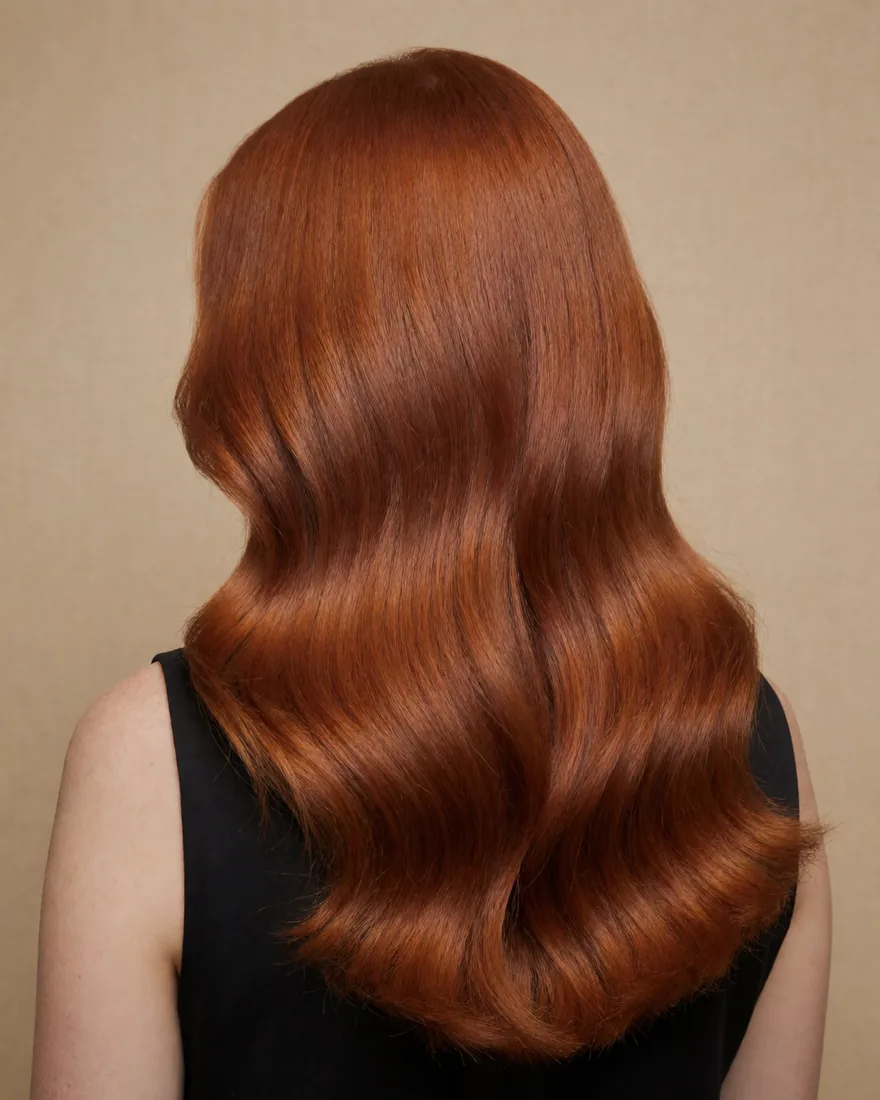
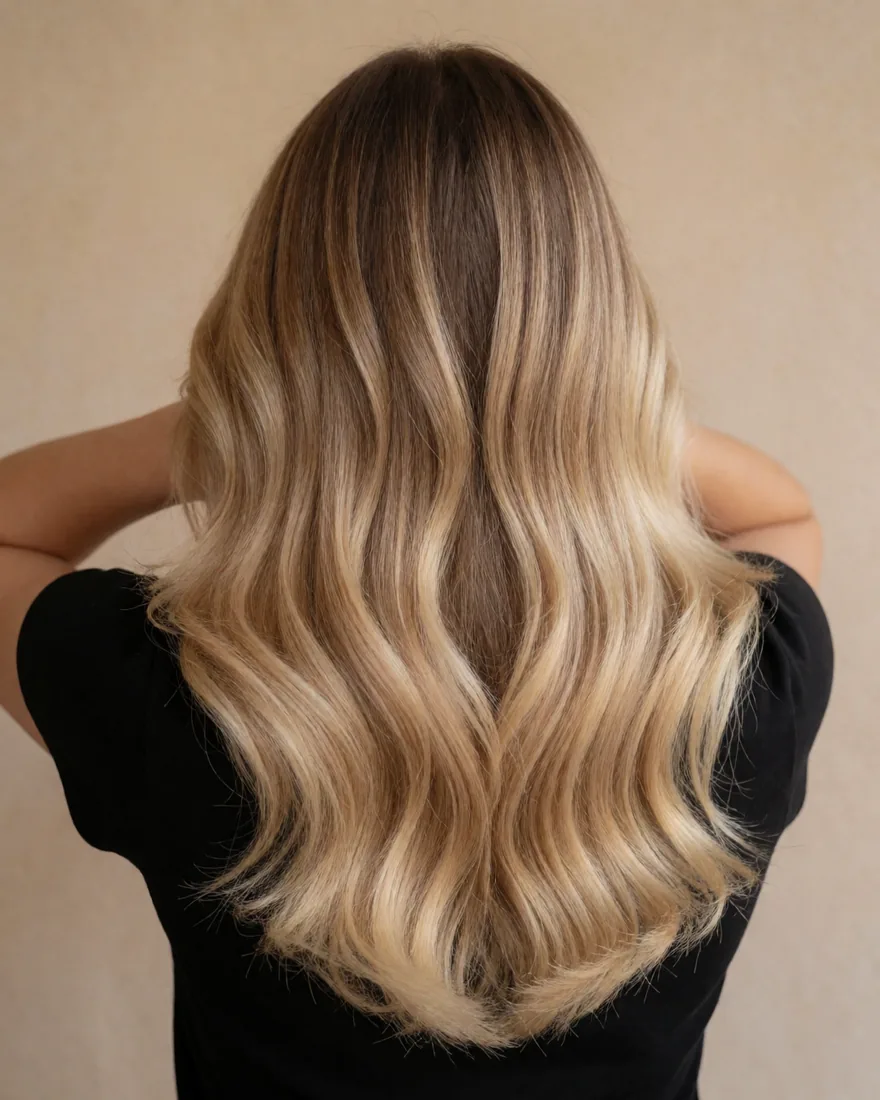
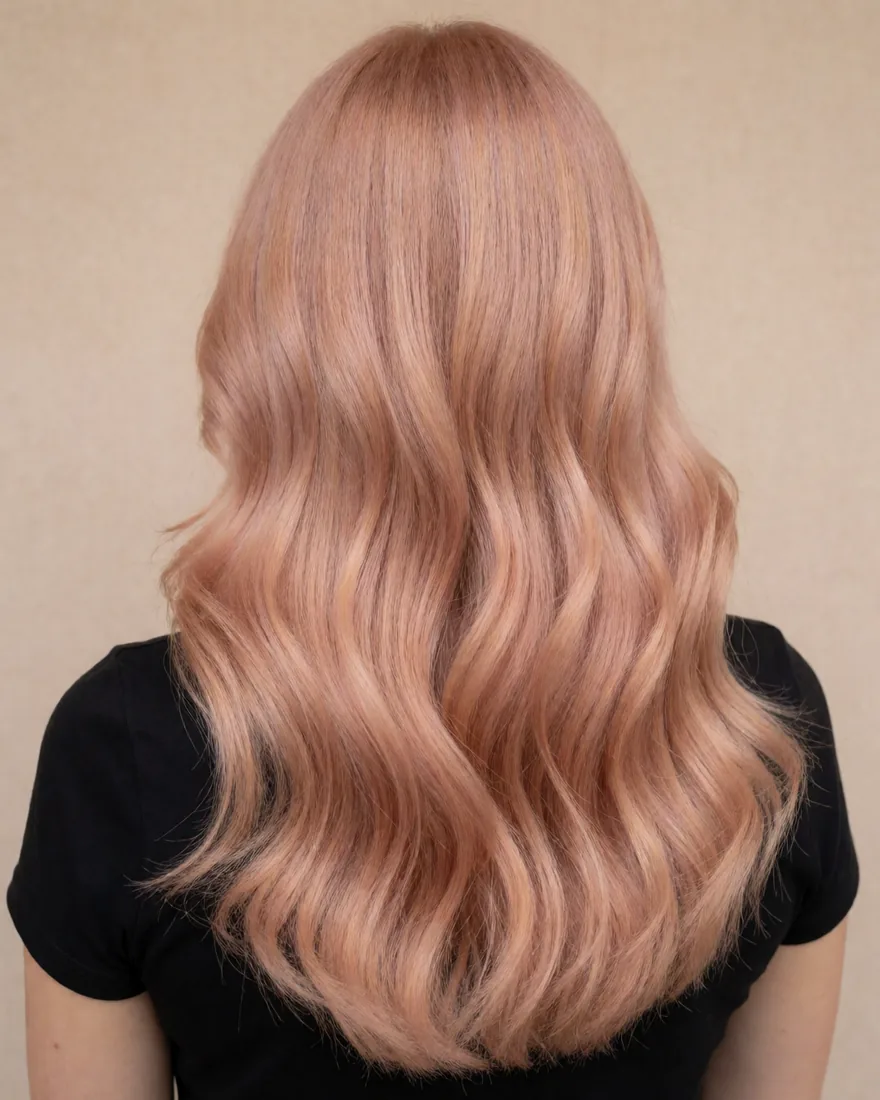
9.3 Honey balayage
Warm gold painted by hand, left soft at the root.
- Formula
- Hand-painted 9.3 from a 6 root, toned 10.31
- Service
- Balayage, 3 h 30
- Price
- from €220
- Upkeep
- Twice a year
Drag across the photograph to compare with 7.44 Copper.
Visual Direction
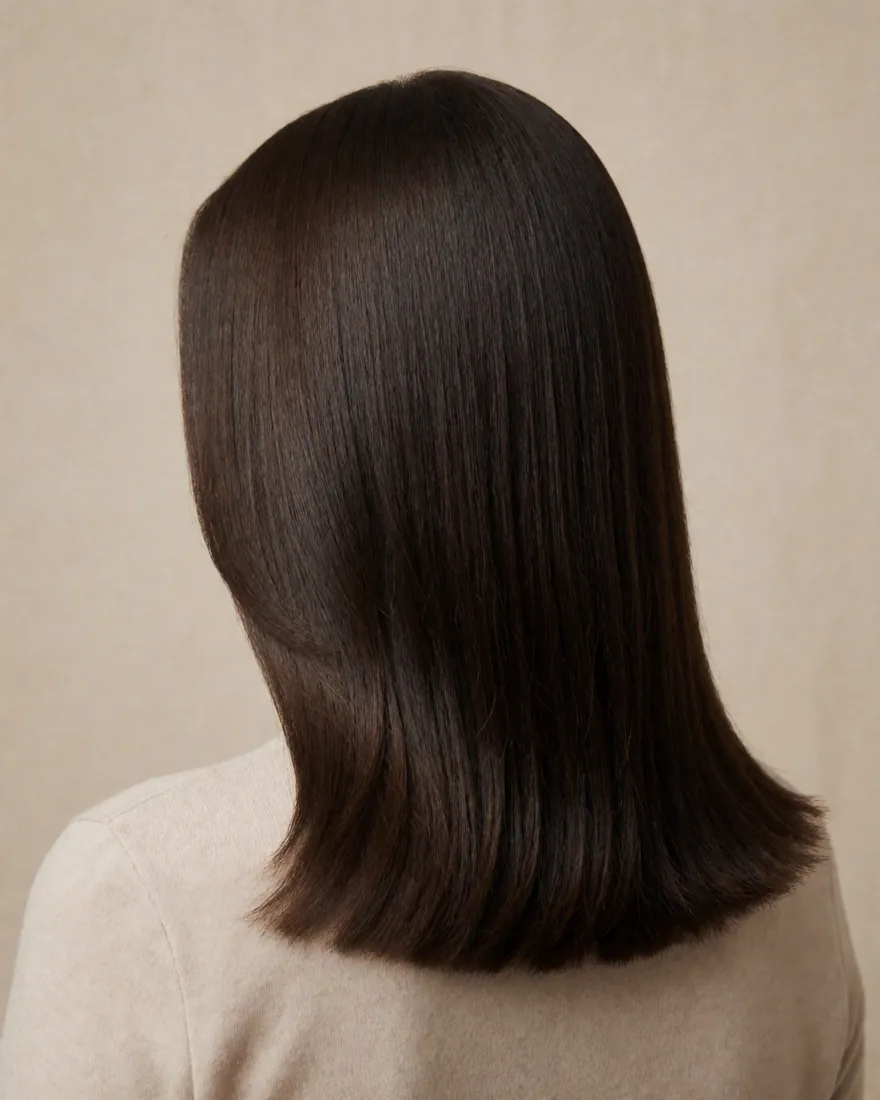
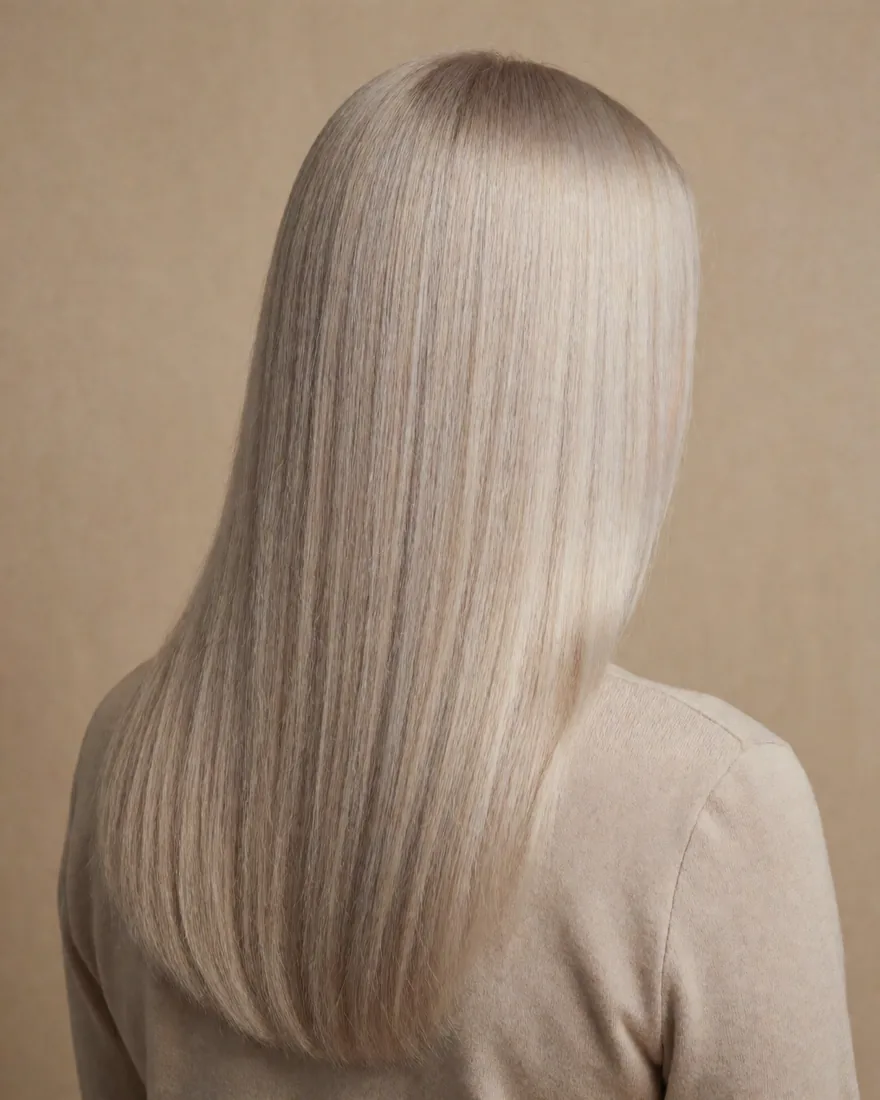
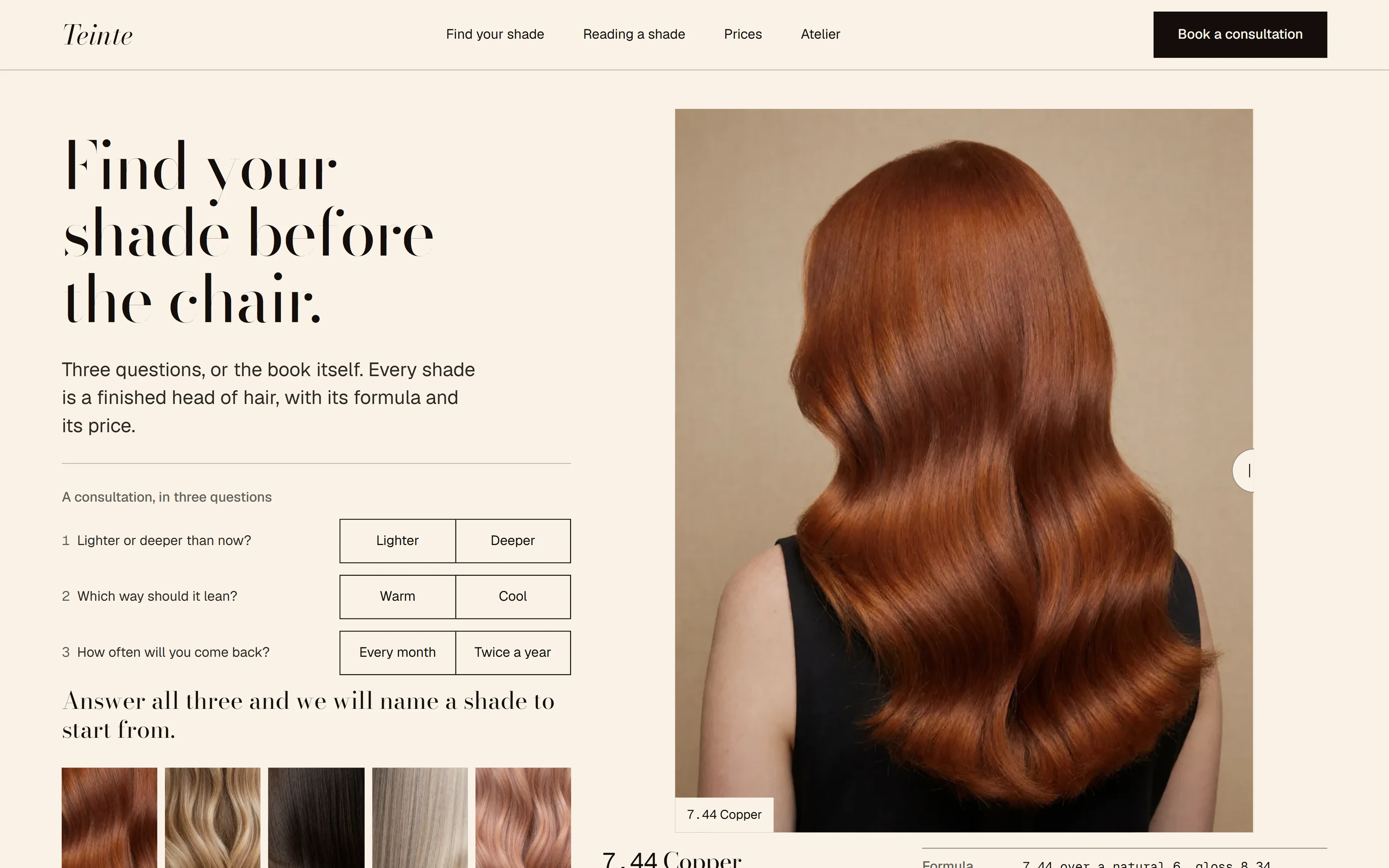
Every photograph is a concept render made in ComfyUI with Krea 2: five finished colours seen from behind on a warm oat backdrop, and the atelier with its two chairs and tall north window. Each colour is its own photograph of its own head of hair. Nothing on the page is recoloured, because hair only looks real when it was lit and shot in that colour; the swatches in the shade book are cut from the same photographs.
Bodoni Moda at its highest optical size for every heading, so the hairlines thin to a razor against the stems; Geist sets the body underneath, and Geist Mono sets the shade codes and formulas, the figures a colourist compares. Bodoni appears nowhere else in this set, and it is never bolded into a fashion masthead.
Typography
Palette
Warm oat paper (#F9F3E8), near-black ink and one ink-blue signal (#144BB7) kept for links, focus and the measuring guides. The page itself has almost no colour, so the only colour on it is the hair.
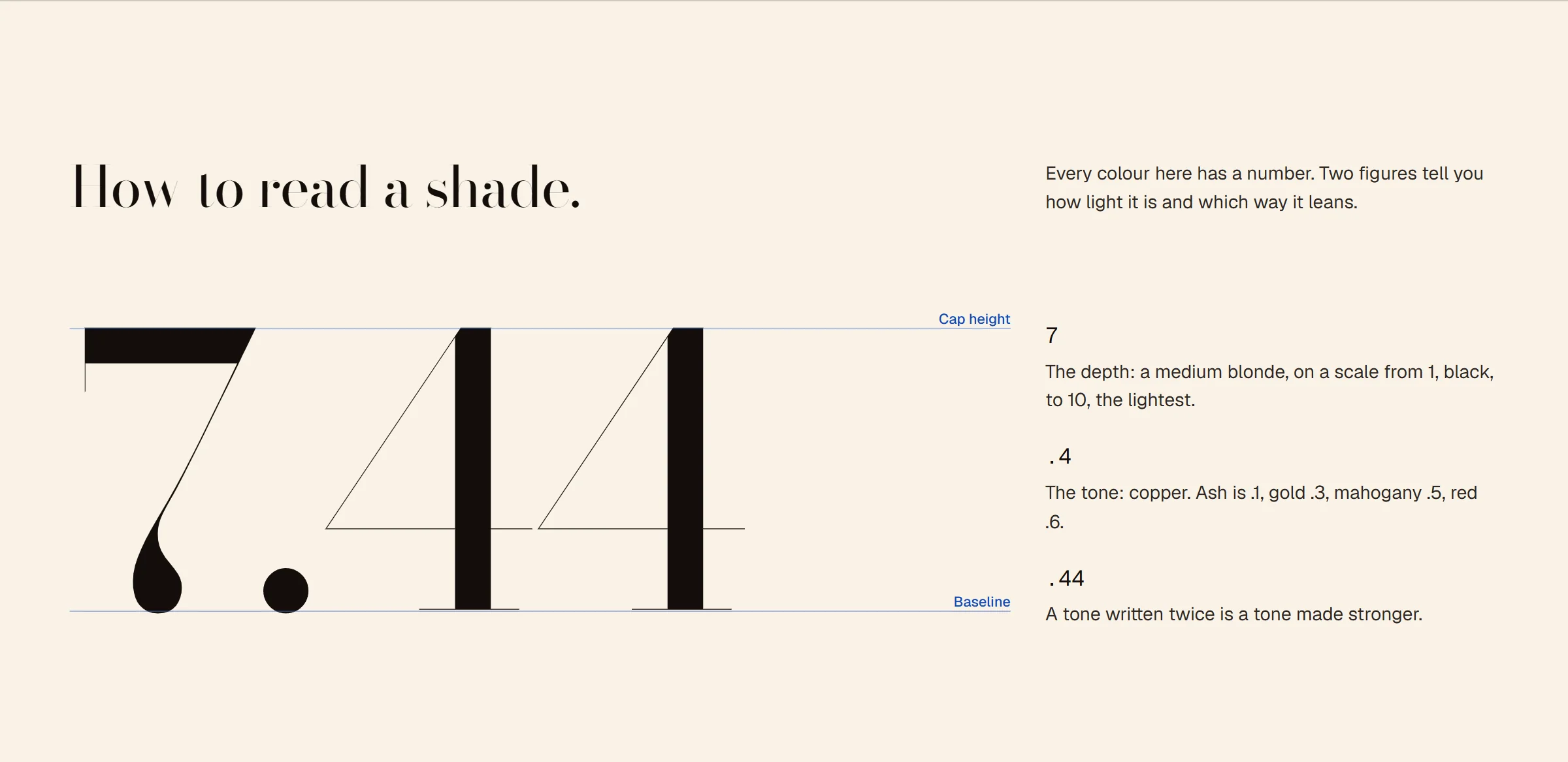
How to read a shade, set the way a type specimen sets a letter
Layout Logic
The shade book is the hero: the promise, three consultation questions, five swatches, and beside them the photograph of the chosen colour with the card a client would leave with. Below it, one shade code set as a poster with its guides teaches how to read a colour; then a ruled price list, the atelier on the one dark band, and a consultation form that already knows which shade you chose.
Three questions, each with two answers (lighter or deeper, warm or cool, how often you will come back), name the shade a colourist would start from and mark it in the book. Choosing any shade draws its photograph in across the one before, and the divider stays live: drag it, or move it with the arrow keys, to set two colours side by side. The card underneath follows the choice with the formula, the service and its time, the price and the upkeep, and "Book this shade" carries it into the form.
Interaction
Demonstrates
- Guided product finder
- Before and after comparison
- Image art direction
- Booking flow